



Professional HVAC Installation: Ensuring Optimal Comfort and Efficiency
An outdated or inefficient HVAC system can make it difficult to maintain consistent comfort while increasing energy costs in your home. Jormer Enterprises provides professional HVAC installation in Copperas Cove, TX, helping homeowners upgrade to reliable, energy-efficient systems tailored to their needs. With expert installation, quality equipment, and a focus on long-term performance, we ensure your home stays comfortable while you enjoy improved efficiency and peace of mind. Contact us now.
Understanding Different Types of HVAC Systems
The first step in any HVAC installation begins with understanding the various systems available, as each is designed for specific needs and environments.
- Central Air Conditioners and Furnaces: These are traditional split systems, with an outdoor unit for cooling and an indoor unit (furnace) for heating, connected by ductwork. They are highly effective for conditioning entire homes.
- Heat Pumps: Offering both heating and cooling in a single unit, heat pumps transfer heat rather than generating it, making them highly energy-efficient, especially in moderate climates. They can be air-source, geothermal, or ductless.
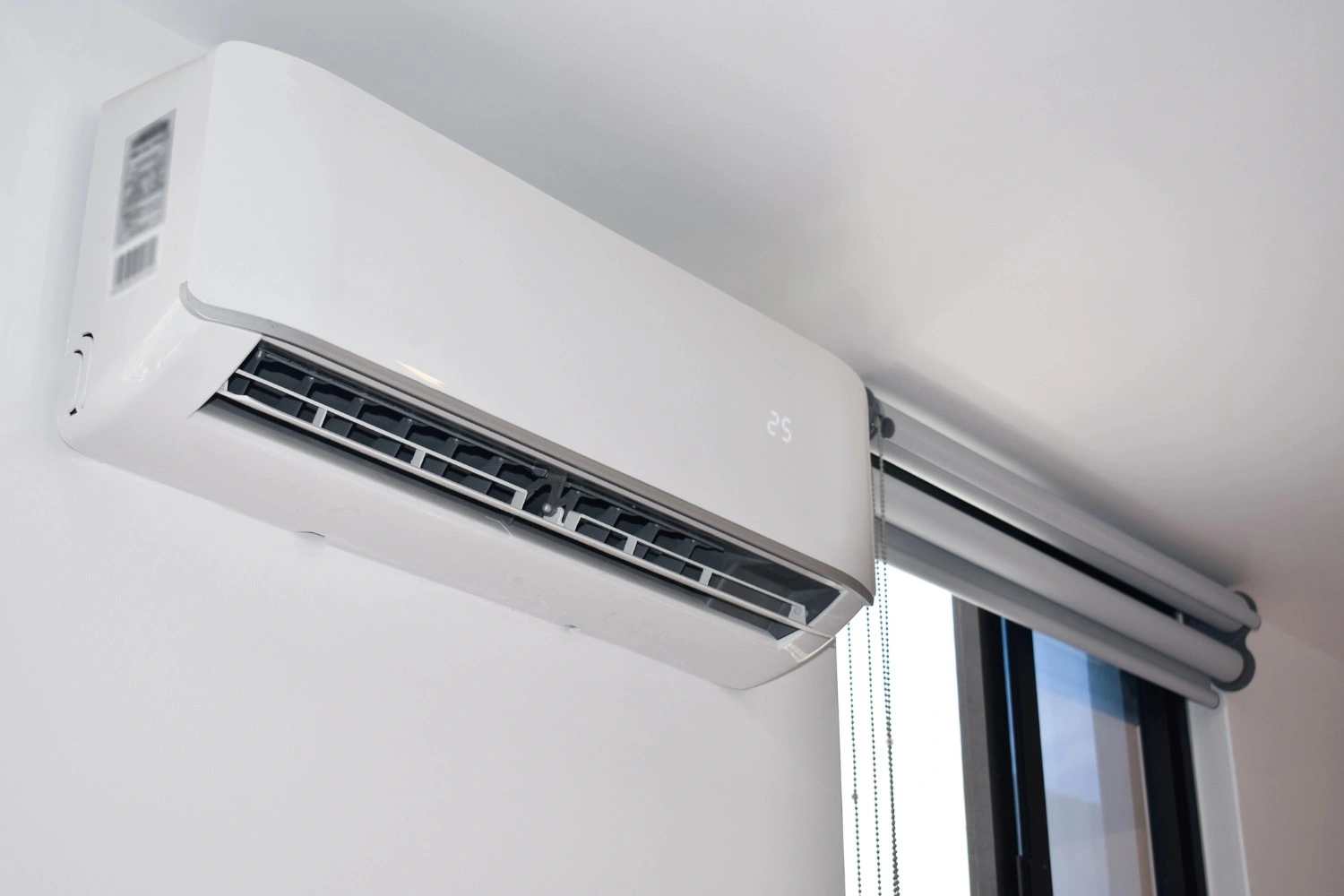
- Ductless Mini-Split Systems: Ideal for additions, zoned comfort, or homes without existing ductwork, these systems consist of an outdoor unit connected to one or more indoor air-handling units, allowing for individualized temperature control in different rooms.
- Boilers and Radiant Heating: While less common for new installations in many regions, boilers provide consistent, comfortable heat through radiant floors or radiators, often preferred for their quiet operation and even heat distribution.
The selection of the right system is paramount and depends on factors such as building size, climate, existing infrastructure, and energy efficiency goals.
The Detailed Step-By-Step HVAC Installation Guide
A professional HVAC installation is a complex process best handled by certified technicians. Here’s an overview of the typical steps involved:
- Initial Assessment and Load Calculation: Experienced technicians will first conduct a thorough assessment of your property. This involves evaluating the size of your space, insulation levels, window types, local climate, and existing ductwork (if applicable). A crucial step is performing a load calculation, often using industry-standard methods like Manual J, to determine the precise heating and cooling capacity required. This prevents oversizing or undersizing, which can lead to inefficiency and premature system wear.
- System Design and Selection: Based on the load calculation and your specific needs, the team will recommend the most suitable HVAC system type and size. This includes selecting the appropriate indoor and outdoor units, thermostats, and any necessary accessories like air purifiers or humidifiers.
- Removal of Old Equipment (if applicable): If replacing an existing system, the old units, including the furnace, air conditioner, and possibly ductwork, are carefully decommissioned and removed. This often involves safely recovering refrigerants and adhering to environmental regulations.
- Ductwork Inspection or Installation: For ducted systems, existing ductwork is thoroughly inspected for leaks, damage, or inadequate sizing. Repairs or modifications may be made, or entirely new ductwork installed to ensure optimal airflow and distribution. For ductless systems, precise locations for indoor units are identified.
- Installation of New Components:
- Indoor Unit (Furnace/Air Handler): The new furnace or air handler is installed in its designated location (e.g., basement, attic, utility closet). Connections are made to the electrical supply, gas line (for furnaces), and ductwork.
- Outdoor Unit (AC/Heat Pump Condenser): The outdoor unit is placed on a level pad, typically away from direct sunlight and obstructions. Refrigerant lines, electrical wiring, and a condensate drain line are run between the indoor and outdoor units.
- Thermostat: The new thermostat is wired and programmed, ensuring it communicates effectively with the system for precise temperature control.
- Electrical and Gas Connections: All electrical wiring is connected safely and according to code, often requiring dedicated circuits. For gas furnaces, gas lines are installed or connected, tested for leaks, and ensured to be up to safety standards.
- Refrigerant Line Evacuation and Charging: For systems using refrigerant, the lines are evacuated to remove air and moisture, then carefully charged with the correct amount of refrigerant as specified by the manufacturer. This is a critical step for system efficiency and longevity.
- System Testing and Calibration: Once all components are installed, the entire system undergoes rigorous testing. Technicians will check for proper operation of heating and cooling cycles, verify airflow, monitor refrigerant pressures, and calibrate the thermostat. They ensure all safety features are functioning correctly.
- Client Walkthrough and Education: The installation team provides a walkthrough of the new system, explaining its features, operation, and basic maintenance requirements. They answer any questions and ensure the homeowner is comfortable using their new HVAC system.
Cost Analysis: Factors Influencing Installation Costs
The cost of HVAC installation can vary significantly based on several factors, including:
- System Type and Size: High-efficiency models, larger units, or specialized systems like geothermal heat pumps typically have higher upfront costs.
- Complexity of Installation: Installing new ductwork, upgrading electrical panels, or modifying existing structures will increase labor and material costs.
- Brand and Features: Premium brands or systems with advanced features like smart thermostats, zoning capabilities, or enhanced air filtration can impact the total price.
- Geographical Location: Labor rates and permit requirements vary by region, influencing overall costs.
- Existing System Removal: The cost of safely removing and disposing of old equipment can be a factor.
While Jormer Enterprises emphasizes value and transparency, a precise estimate is always provided after a comprehensive on-site assessment.
Selecting the Right HVAC System: A Buyer’s Guide
Choosing the ideal HVAC system involves careful consideration:
- Energy Efficiency (SEER, EER, HSPF, AFUE ratings): Higher ratings indicate greater energy efficiency and lower operating costs over time. Look for ENERGY STAR® certified products.
- System Sizing: As discussed, proper sizing is critical. An undersized system will struggle to maintain comfort, while an oversized one will cycle too frequently, wasting energy and wearing out components prematurely.
- Climate Considerations: Your local climate will dictate whether a furnace, heat pump, or a combination system is most suitable.
- Indoor Air Quality (IAQ) Needs: Consider systems that can integrate with air purifiers, humidifiers, or dehumidifiers if you have specific IAQ concerns.
- Budget: Balance initial investment with long-term operating costs and potential savings from increased efficiency.
- Warranty: Understand the manufacturer's warranty and any additional labor warranties offered by the installation company.
Post-Installation: Maintenance, Warranties, and Troubleshooting
Professional HVAC installation is just the beginning. To ensure your system performs optimally for its lifespan, post-installation support is vital.
- Preventative Maintenance: Regular maintenance, typically performed annually, is crucial. This includes cleaning coils, checking refrigerant levels, inspecting electrical components, lubricating moving parts, and replacing air filters. Preventative maintenance helps maintain efficiency, extends equipment life, and can prevent costly breakdowns.
- Warranties: Understand both the manufacturer's warranty on parts and the installer's warranty on labor. These provide protection against defects and ensure proper functioning.
- Troubleshooting Tips: While professional help is often needed, basic troubleshooting can sometimes resolve minor issues, such as checking thermostat settings, ensuring vents are clear, or replacing air filters. For complex issues, always contact a qualified technician.
Comparing DIY vs. Professional Installation
While the idea of a do-it-yourself (DIY) HVAC installation might seem appealing to save money, it is strongly discouraged. HVAC systems are complex, involving electrical, gas, and refrigerant connections that, if mishandled, can pose serious safety risks, including gas leaks, electrical fires, and refrigerant leaks.
- Safety Risks: Incorrect wiring, improper gas line connections, and mishandling of refrigerants can lead to hazardous situations.
- Efficiency and Performance: Without proper sizing, ductwork sealing, and system calibration, a DIY installation will likely result in a highly inefficient system that costs more to operate and fails prematurely.
- Voided Warranties: Most manufacturers' warranties require professional installation by a certified technician. A DIY installation can void these warranties, leaving you responsible for future repair costs.
- Code Compliance: HVAC installations must adhere to local building codes and regulations. Professionals are knowledgeable about these codes and ensure compliance, avoiding potential fines or rework.
For these critical reasons, relying on experienced and certified professionals like Jormer Enterprises for your HVAC installation is the safest, most efficient, and most cost-effective long-term solution.
Choose Professional HVAC Installation for Lasting Comfort
A new HVAC system represents a significant investment in your property’s comfort and efficiency. Ensuring it is installed correctly by trained professionals is paramount to maximizing its performance, longevity, and your overall satisfaction. From meticulous load calculations and system selection to precise installation and thorough testing, every step impacts the system's ability to deliver consistent, energy-efficient heating and cooling. Jormer Enterprises is committed to providing expert HVAC installation services, guaranteeing that your new system meets the highest standards of quality and reliability.
For professional HVAC installation services, reach out to an expert today to discuss your needs and schedule a comprehensive assessment.
Professional HVAC Installation in Copperas Cove, TX
Get precise, high-quality HVAC Installation in Copperas Cove, TX tailored to your home or business. Jormer Enterprises provides complete system setup done right the first time, using experienced, factory-trained techs. Expect long-term performance and energy savings with every install. Learn more about our expertise on our about us page.
Install Smarter with Our Local HVAC Specialists

Financing
We offer flexible financing through FTL Finance, making it easy to invest in your home comfort without the upfront stress.

Customer Testimonials
See what our customers are saying about their experience with us.