



Mini-Split Installation in Copperas Cove, TX
Jormer Enterprises offers precise mini split installation in Copperas Cove, TX. Trusted expertise ensures year round comfort. Contact us today to schedule.
Expert Mini Split Installation Services
Mini-split air conditioning systems have revolutionized home and office climate control, offering a highly efficient and versatile solution for targeted cooling and heating. Unlike traditional central air systems, mini-splits provide zoned comfort, allowing you to regulate temperatures in individual rooms or areas without affecting the entire building. This not only enhances personal comfort but also leads to significant energy savings. Their compact design, quiet operation, and ability to be installed without extensive ductwork make them an increasingly popular choice for a wide range of properties.
At Jormer Enterprises, we understand the intricate details involved in proper mini split installation. Our expertise ensures that your system is not only set up correctly but also optimized for peak performance and longevity, delivering the precise comfort you expect from your investment.
Selecting the Ideal Mini Split System for Your Space
Choosing the right mini-split unit is the foundational step towards achieving optimal comfort and energy efficiency. The market offers a diverse array of models, each with specific features and capacities. Making an informed decision requires careful consideration of several factors:
- Sizing and Capacity (BTUs): The most critical factor is selecting a unit with appropriate BTU (British Thermal Unit) capacity for your space. An undersized unit will struggle to cool effectively, running constantly and inefficiently, while an oversized unit will short-cycle, leading to poor dehumidification and increased wear and tear. Accurate load calculations, considering room size, ceiling height, insulation, window exposure, and local climate, are essential.
- Efficiency Ratings (SEER, EER, HSPF): These ratings indicate the unit's energy efficiency.
- SEER (Seasonal Energy Efficiency Ratio): Measures cooling efficiency over a typical cooling season. Higher SEER values mean greater energy savings.
- EER (Energy Efficiency Ratio): Measures cooling efficiency at a specific outdoor temperature (95°F), useful for peak performance assessment.
- HSPF (Heating Seasonal Performance Factor): Measures heating efficiency over a typical heating season for heat pump mini-splits.
Investing in higher-rated units, while potentially more expensive upfront, yields substantial savings on utility bills over the system's lifespan.
- Features and Functionality: Modern mini-splits come with advanced features such as inverter technology for variable compressor speeds (improving efficiency and comfort), multi-zone capabilities (allowing a single outdoor unit to connect to multiple indoor units), quiet mode, sleep mode, dehumidification settings, and smart thermostat compatibility for remote control and scheduling. Consider which features align best with your lifestyle and comfort needs.
- Brand Reputation and Warranty: Researching reputable manufacturers known for reliability, customer support, and robust warranties can provide peace of mind. A comprehensive warranty on parts and the compressor signifies a manufacturer's confidence in their product.
Our team assists clients in navigating these choices, providing tailored recommendations based on individual property specifications and comfort preferences to ensure you get the most suitable mini-split system.
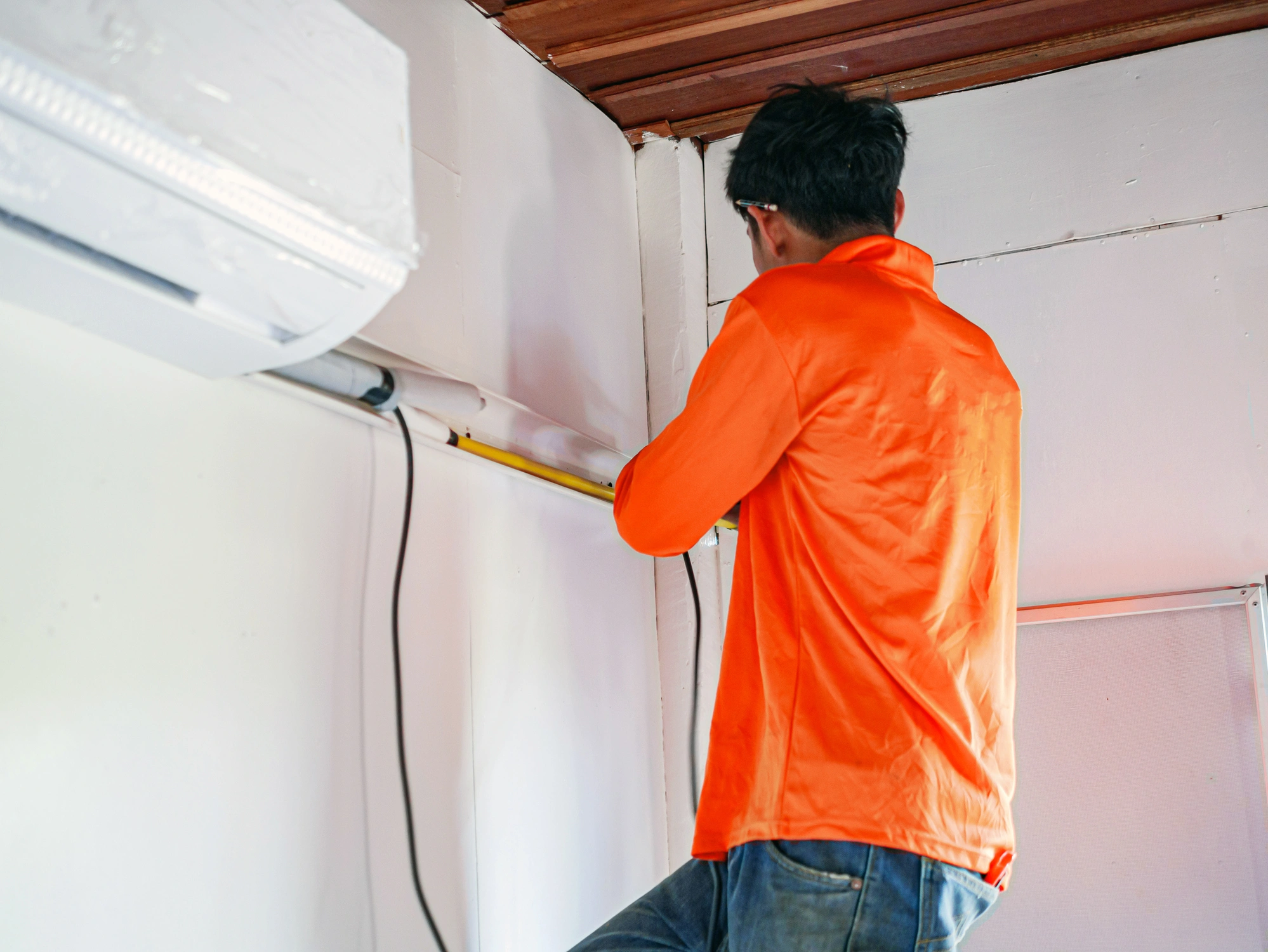
The Professional Mini Split Installation Process
A proper mini split installation is a complex procedure that requires specialized tools, technical knowledge, and adherence to safety standards. While DIY kits exist, opting for professional installation safeguards your investment and ensures optimal performance. The process typically involves several critical steps:
- Site Assessment and Planning: Before any physical work begins, a thorough site assessment is conducted. This involves identifying the best locations for both the indoor air handler and the outdoor condenser unit, considering factors like airflow, structural integrity, electrical access, drainage, and noise levels. Proper placement is crucial for efficiency and aesthetic integration.
- Mounting the Indoor Unit: The indoor air handler is securely mounted on an interior wall using a sturdy mounting bracket. Precision in this step is vital to ensure the unit is level and can drain condensate efficiently.
- Drilling the Conduit Hole: A small, precisely sized hole is drilled through the exterior wall. This conduit hole allows the refrigerant lines, condensate drain line, and electrical wiring to pass from the indoor unit to the outdoor unit. Proper sealing of this hole prevents air leakage and pests.
- Installing the Outdoor Condenser Unit: The outdoor unit is typically placed on a concrete pad or a specially designed mounting bracket, ensuring it's level, stable, and has adequate clearance for airflow. It must be protected from direct sunlight and debris.
- Connecting Refrigerant Lines: Pre-flared copper refrigerant lines are carefully run between the indoor and outdoor units through the conduit hole. These lines must be cut to the correct length, insulated, and precisely connected to prevent leaks. Brazing or flaring techniques are used, requiring specific tools and expertise.
- Electrical Wiring: Dedicated electrical circuits are typically required for both the indoor and outdoor units. Qualified electricians handle these connections, ensuring proper voltage, amperage, and grounding in accordance with local electrical codes.
- Condensate Drain Line Installation: A drain line is run from the indoor unit, typically alongside the refrigerant lines, to allow condensed moisture to flow away from the unit. Proper slope and drainage point are critical to prevent water damage and mold growth.
- Vacuuming the System (Evacuation): This is a crucial, often overlooked, step. A vacuum pump is used to remove all air and moisture from the refrigerant lines. Any moisture or non-condensable gases can severely impair the system's efficiency and lead to premature failure. This process creates a vacuum that confirms the absence of leaks before refrigerant is released.
- Refrigerant Charging and Leak Detection: Once the system is evacuated, the appropriate amount of refrigerant is carefully released into the lines according to the manufacturer's specifications. A final leak check is performed using specialized equipment to ensure no refrigerant escapes.
- Testing and Commissioning: After all connections are secure and the system is charged, the mini split is powered on and thoroughly tested. This includes checking cooling/heating performance, fan speeds, thermostat functionality, noise levels, and verifying proper drainage. Our technicians ensure every component is functioning optimally.
Post-Installation Care and Optimization
Proper installation is just the beginning. To ensure your mini split operates efficiently for years to come, ongoing care and attention are essential.
- Initial Testing: Immediately after installation, operate the unit in both cooling and heating modes (if applicable) to confirm correct functionality. Pay attention to temperature output, airflow, and any unusual noises.
- Regular Maintenance Schedule:
- Filter Cleaning/Replacement: Clean or replace air filters monthly or bi-monthly, especially during peak usage seasons. Clogged filters restrict airflow, reduce efficiency, and strain the unit.
- Coil Cleaning: Annually, have a professional inspect and clean the indoor evaporator coils and outdoor condenser coils. Dirt and debris on coils significantly reduce heat transfer.
- Drain Line Check: Periodically ensure the condensate drain line is clear and flowing freely to prevent blockages and water overflow.
- Overall System Inspection: Schedule professional maintenance annually. Technicians will check refrigerant levels, electrical connections, fan motors, and overall system integrity, catching potential issues before they escalate.
Addressing Common Post-Installation Questions
Even after a professional installation, questions or minor issues can arise. Understanding common scenarios can help:
- Reduced Airflow or Poor Cooling/Heating: Often linked to dirty air filters, blocked outdoor coils, or incorrect thermostat settings. Less commonly, it could indicate a refrigerant leak or compressor issue.
- Unusual Noises: A buzzing sound might indicate electrical issues, while bubbling or gurgling could point to low refrigerant or blockages in the drain line.
- Water Leaks from Indoor Unit: Almost always caused by a clogged condensate drain line, preventing water from exiting the unit properly.
- System Not Turning On: Check the circuit breaker. If that's not the issue, it could be an electrical connection problem or a control board malfunction.
While some issues can be easily diagnosed, many require a professional technician to ensure proper diagnosis and repair without voiding warranties or causing further damage.
Understanding Your Mini Split Investment
The decision to install a mini split system is a significant investment in your property's comfort and energy efficiency. While initial installation costs are a factor, it's crucial to consider the long-term value, reliability, and peace of mind that comes with professional installation. DIY options might appear cost-effective initially, but they carry inherent risks: incorrect sizing, improper refrigerant handling, electrical hazards, and potential damage that can void warranties and lead to costly repairs down the line.
Professional installation guarantees that your system is sized correctly, installed to manufacturer specifications, adheres to all local codes, and is optimized for maximum efficiency and longevity. This minimizes energy waste, prevents premature breakdowns, and ensures your system delivers consistent, reliable comfort for years to come.
Experience Optimal Comfort with Jormer Enterprises
Investing in a mini split system is a smart choice for modern climate control. Ensuring its proper installation is paramount to realizing its full potential in energy efficiency and comfort. At Jormer Enterprises, we are dedicated to providing precise, reliable, and efficient mini split installation services, backed by our deep understanding of HVAC technology and commitment to customer satisfaction. We meticulously handle every detail, from expert sizing and placement to final testing and commissioning, ensuring your system performs flawlessly.
For a professional and lasting mini split installation that brings unparalleled comfort and energy savings to your property, trust the experts.
Expert Mini Split Installation in Copperas Cove, TX
Get efficient cooling where you need it most with our Mini Split Installation in Copperas Cove, TX. We handle every step—from assessing layout needs to precision installation—for both residential and commercial properties. Backed by 30+ years of experience, Jormer Enterprises installs with quality and efficiency top of mind. See why customers choose us on our Reviews page.